Describe your writing process: schedule, environment,
inspirations, etc.
Where to begin with
my horrible process? I don’t find my ideas easily, and I have many
false starts. Often the story seed is buried in a different idea, one
I’ve already abandoned. I guess the gardener in me needs to keep
digging. Either that or I’m a masochist.
My writing radar is always switched on, and when something makes my
gut tingle, I pay attention. For example, after a summer of freaking
out about funky issues with my heart, a guy collapsed three rows
ahead of me on a transatlantic flight. Add a family history of heart
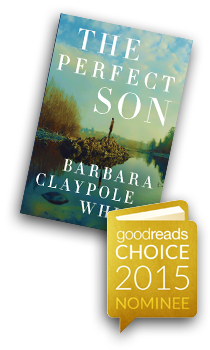
failure, and you have the opening for THE PERFECT SON (my heroine has
a major heart attack—at 47—on a plane).
Once an idea sticks,
I write, research, and rewrite. My favorite method of research is the
one-on-one interview with people who understand the experiences I
want to explore. Those interviews shape my first and second drafts,
and I amble down every detour until I’ve excavated the story’s
heartbeat. At some point I create a story board written to movie
beats, but I don’t hit my groove until the third draft, which is
when I pull in beta readers.
I’m an early
morning writer, and my prime hours are 6:30—8:30 a.m. Even when I
fly back to England to see my mother, I guard that early morning
routine. It’s my anchor.
My alarm goes off at
six, I grab coffee and a banana, and head upstairs to my desk. The
first thing I do after booting up my computer is turn off the
Internet. I break around 8:30 a.m. for breakfast and to check email,
and then I go back to writing until noon, when I shower and get
dressed. In the afternoon I switch to research, blog posts, or
anything with a ticking deadline. I keep the daily business of being
an author—social media, answering emails, etc. for the evening.
That’s the goal,
but family life and self-doubt intrude constantly. Family always
comes first, that’s never up for debate, and fortunately I can
write anywhere and through just about any crisis. All I need is a
laptop, a charger, and an iPod. When I’m on an airplane, a glass of
wine is also involved.
Walk me through
your publishing process from final draft to final product, including
who does what when, and what marketing you do.
My last three books
have been with Lake Union, and the press has a specific way of
handling edits. I submit the manuscript to my acquiring editor and do
one round of big picture edits for her. That normally takes about a
month. Then the manuscript is officially accepted, we start on the
cover and back copy, and slam into a tight editing timetable. It goes
back and forth between me and my developmental editor for first and
second pass edits (normally he has it for two weeks, I have it for
two weeks, we repeat). Then I get the copy edits and normally have
ten days to turn those around, and after that we go to page proofs.
In addition, I hire a freelance editor as an extra pair of eyes for
copy edits.
Marketing is a gray
area for me, because I hate book launches and would happily hibernate
through them. About six months before my pub. date, I create a
marketing plan and establish what my publisher will handle. I book
local events, including a catered launch at the library, reach out to
local press and local book clubs, and pay for a blog tour. That’s
pretty much it, but I try to be authentic on social media, because my
main marketing tool is me.
Tell me about
your support system online and IRL; who are your biggest
cheerleaders?
My husband and son
are amazing. They are always available for brainstorming and
feedback, and our son, an award-winning, published poet, is one of my
beta readers. I trust his feedback implicitly, and since much of my
fiction steals from family life, he has the right of veto. My BFF is
also an essential part of my process. She’s a voracious reader—not
a writer—and has given brutally honest feedback on every
manuscript, including the one that ended up in a drawer. My sister,
an artist back in England, is another cheerleader.
I’m blessed to
have family who have encouraged me to be a dreamer, friends who
understand the bizarre nature of the writing life, and an agent who
is sympathetic to my weird levels of stress (a double dose of OCD +
an aging parent in another time zone). I’ve also been incredibly
fortunate with my editors at MIRA and Lake Union. A good editor is
everything.
And, of course,
there’s the writing community. I have terrific support from other
authors online and locally, but I’ve worked hard to establish those
connections. You can’t survive this industry without the
camaraderie of other writers, and that has to be earned. Network like
you mean it, people!
Talk about how
your life influences your work and vice versa.
Writing is my
therapy, my escape, and the way that I process the world. On some
level it’s about crafting a better story for myself and people I
love. When you live in the trenches with mental illness, you need to
believe that bad days end, each day brings a fresh start, and
in-between there are people who understand. That’s why hope and a
sense of community are important elements in all my stories. As a
mental health advocate, I pray that my characters do their bit to
chip away at the stigma, shame, and stereotypes—especially with
OCD, a chronic illness that has no cure and demands constant
management.
My son has battled
OCD for most of his life. When he was little, I was terrified that he
would never grow up to be loved for the incredible person he is, but
would always be judged by his anxiety. Which is crazy, because my
husband of thirty years also has OCD. (For the record, our son has
been in a serious relationship for the last four years.)
But that maternal
fear gave birth to my first hero, James Nealy. He appeared in my head
when I was several drafts into the manuscript that would become my
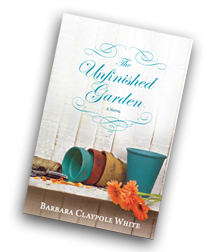
debut, THE UNFINISHED GARDEN, and refused to leave. James is
brilliant, sexy, wealthy, and locked in a private war with
obsessive-compulsive-disorder. He’s a romantic hero who struggles
with an invisible disability, but exhibits incredible compassion,
empathy, and courage.
Those are the
qualities that I see in my son, even as he negotiates the relentless
horrors of intrusive, unwanted, repetitive, obsessive thoughts. He is
my muse, my inspiration, and the reason I’m passionate about
creating characters who are successful in life and love despite
messed-up brain chemistry.
What do you love
most about your creativity?
Not sure I can
answer that one, but I love hanging out in my garret with my
imaginary friends. I talk to them all the time. As I said, they help
me process my life. They keep me sane, and they keep me laughing.
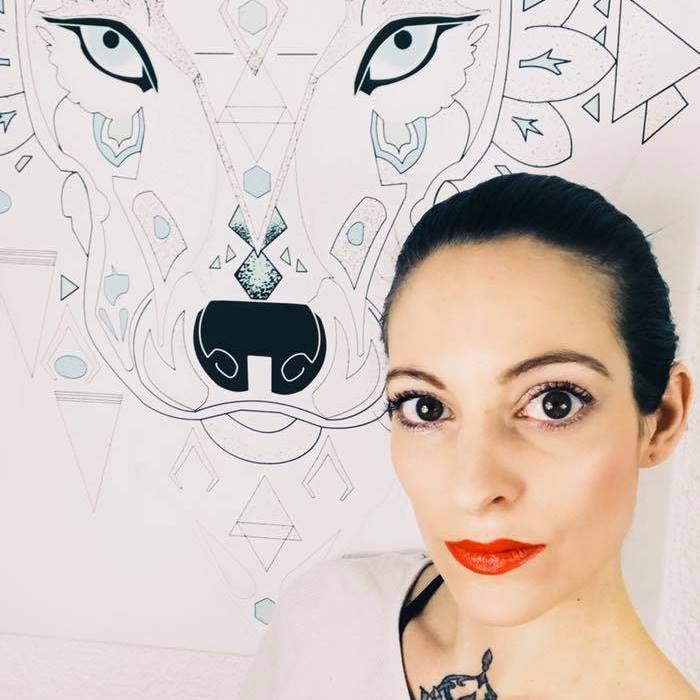
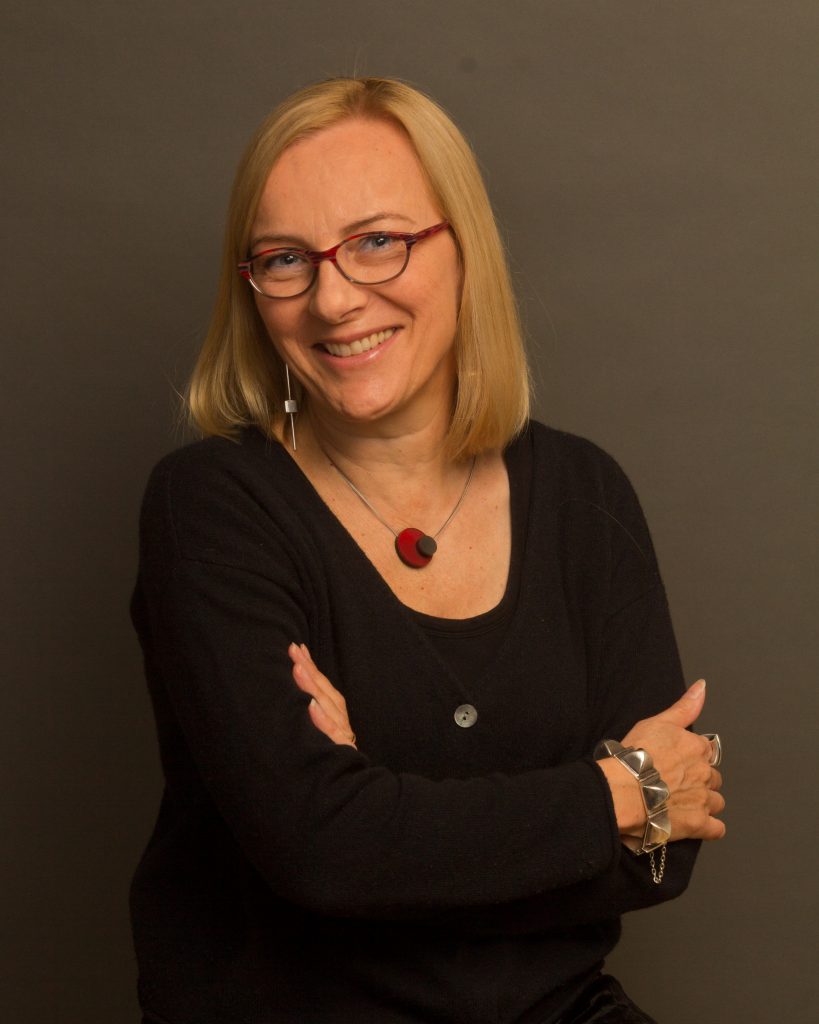
AUTHOR BIO
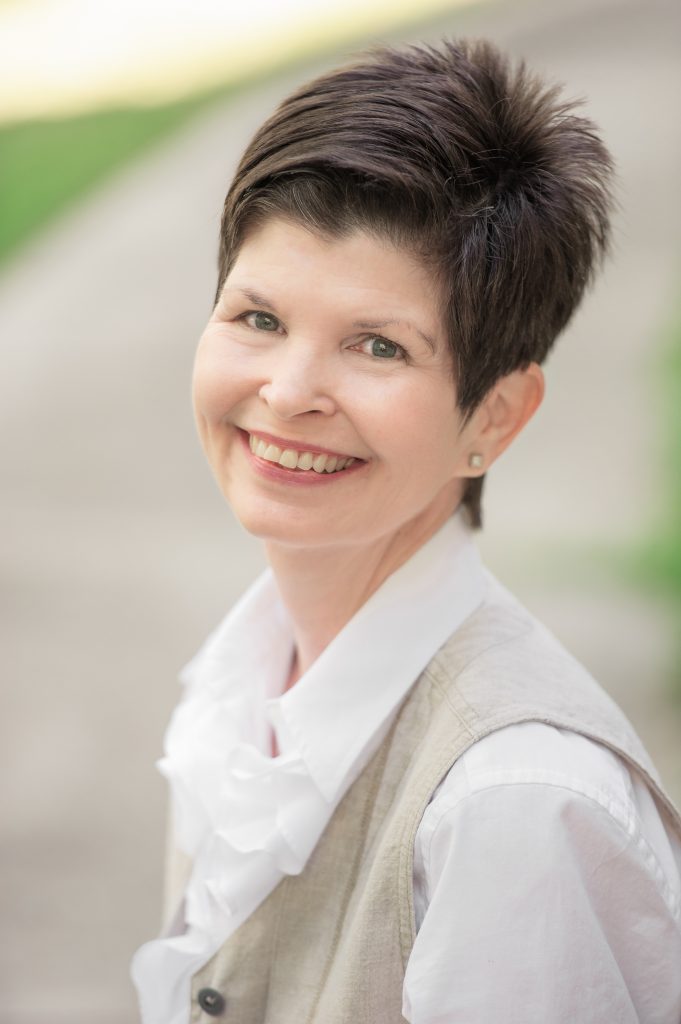
Bestselling author
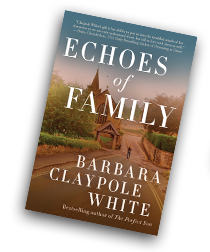
Barbara Claypole White writes hopeful family drama with a healthy
dose of mental illness. Born in England, she works and gardens in the
forests of North Carolina and is an OCD advocate for the A2A
Alliance, a nonprofit that promotes advocacy over adversity. Her
novels include: The Unfinished Garden, which won the Golden Quill for
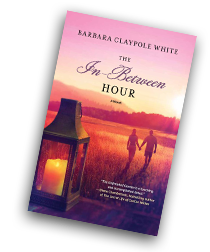
Best First Book; The In-Between Hour, a SIBA Okra Pick; The Perfect
Son, a Goodreads Choice Awards Semifinalist; Echoes of Family, a WFWA
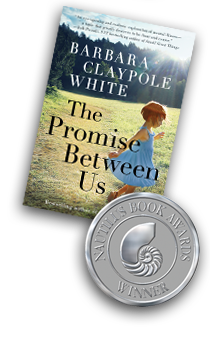
Star Award Finalist; and The Promise Between Us, a 2018 Nautilus
Award Winner. She is currently working hard on novel six, The Gin
Club, and is excited about the July 2019 release of The Unfinished
Garden audiobook.
To connect with her, please visit
www.barbaraclaypolewhite.com
Facebook
https://www.facebook.com/BarbaraClaypoleWhite
Goodreads
https://www.goodreads.com/author/show/5778132.Barbara_Claypole_White
Twitter
https://twitter.com/bclaypolewhite.
Instagram
https://www.instagram.com/bclaypolewhite/?hl=en
BookBub
https://www.bookbub.com/profile/barbara-claypole-white
I encourage sharing and commenting on social media (allowing comments on my website attracts overwhelming spam). Please tag me in shares and comments.