“May 30, 2011
- Protesters are galvanized by newly published images of the mutilated body of Hamza Ali al-Khatib, a 13-year-old boy from Darʿā who was tortured to death while in police custody. Photos of Khatib are distributed at protests, and the images become a potent symbol of the regime’s brutality.”–https://www.britannica.com/event/Syrian-Civil-War/Uprising-in-Syria-2011
“That March, peaceful protests erupted in Syria as well, after 15 boys were detained and tortured for writing graffiti in support of the Arab Spring. One of the boys, a 13-year-old, was killed after having been brutally tortured.”—https://www.aljazeera.com/news/2016/05/syria-civil-war-explained-160505084119966.html
 Thirteen-year-old Zaid and his friends, siblings Fatima and Salman, leave innocence behind when their parents send them away at rumors of rebel attacks. The teenagers discover that nowhere is safe, as they are besieged repeatedly by rebels, and learn that the military cannot be trusted—they are alone. Strangers sacrifice their lives; strangers betray them; strangers ask for help…evoking survival instincts and humanity’s courage in the darkest hours. They are children, separated from their parents, who must fear multiple, murderous factions and their own government, kids who days ago were living normal teenage lives, as any teenager in any country.
Habib’s portrayal of Syrian teens on the run from death, as well as their daily lives before the war, was supplemented by his friendships with native Syrians and interviews with Syrian refugees for accuracy. His hope is to bring more awareness to the world of a civil war that has killed hundreds of thousands of civilians who desire only the freedom he enjoys.
Here are a couple sites to learn about the war—how it started and why it’s ongoing:
https://en.wikipedia.org/wiki/Syrian_Civil_War#Documentaries
http://www.bbc.com/news/world-middle-east-26116868
Here you can learn about the current situation and how you can help:
http://time.com/5159869/war-syria-entered-dangerous-new-phase/
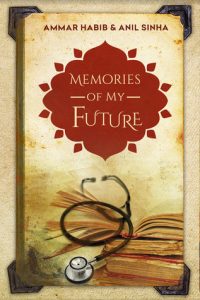 Surgeon Avinash Singh loses a child during surgery to heart failure caused by a new virus. Having accepted always being the best at everything he does, this harsh reality devastates him. His nurse Martha, a second mother in his adopted country, tells him to find a way to deal with it and get back to work. He seeks resolution in the journal of his ancestry given to him by his grandfather. He reads of Khau, the Lion of Bihar, a 13th-century warrior ancestor, who must find a way to save Bihar from the Mongols. Those barbarians destroy everything in their path, because they are unbeatable archers on horseback. Khau determines their weakness and defeats them. The inspirational story motivates Avinash to develop a cure. From this breakthrough, Avinash receives two offers: a position at a coveted medical center in NYC and a chance to offer his skills to a humanitarian effort. He returns to the journal to learn about Veeresh, the leader of his people who did not break under torture by the East India Company’s best “negotiator.” From this lesson, Avi knows he must follow his heart. On this path, he finds true love and faces a challenge that calls out to his warrior blood.