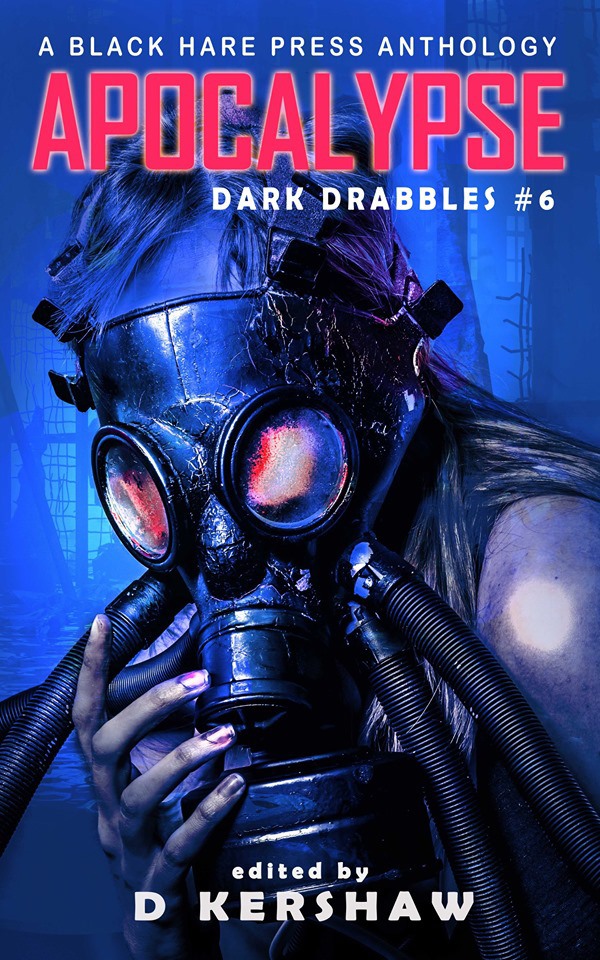
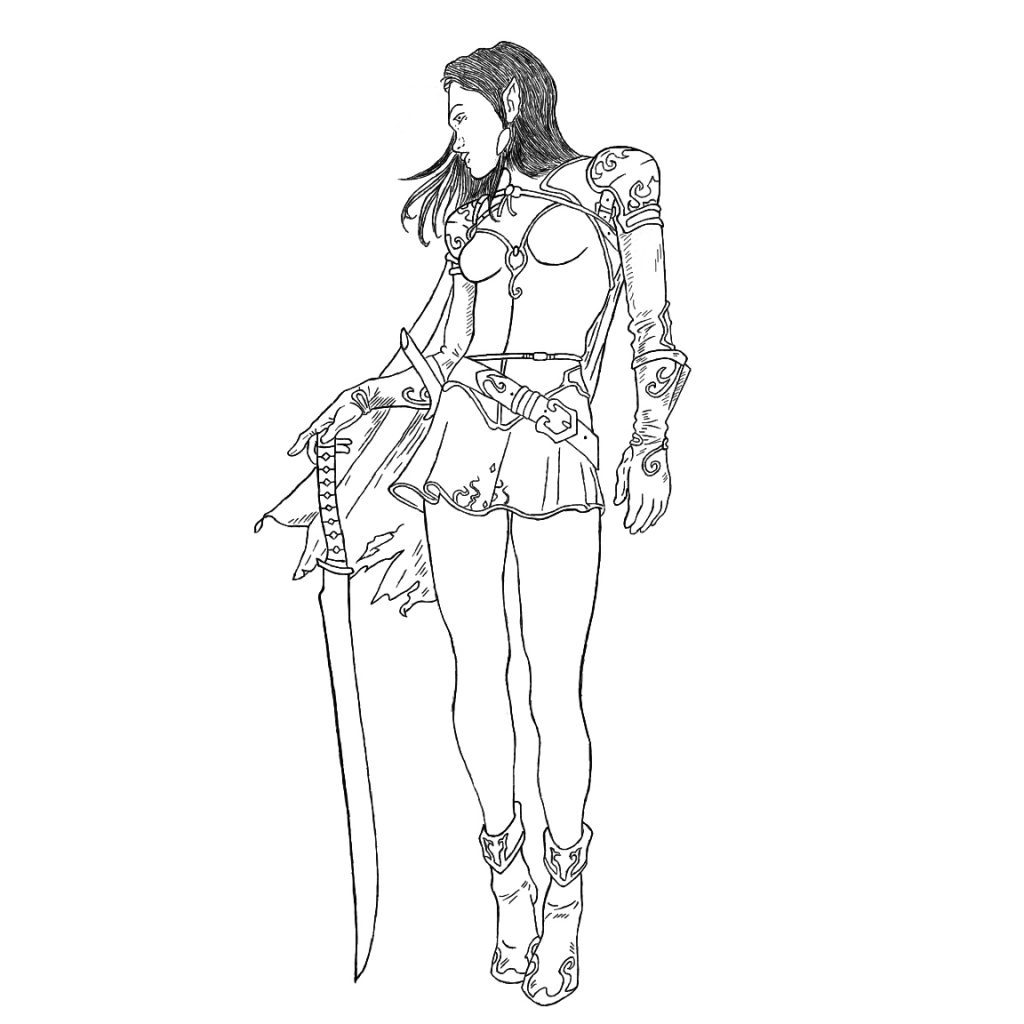
Gabriella, aka Gabriel, dashed through the alleys and over fences, easily evading the militia. She prised the top off the faux ammo urn, the sign behind it proclaiming it the property of the Fortnite Militia. Inside she shirked the clothes off and whispered the spell. The mercenaries jerked off the lid and peered inside, seeing nothing at first in the darkness. They turned aside and inspected the lid. Gabriella pulled herself out of the urn and slowly backed away, as quietly as possible, completely naked and invisible. Again, the soldiers looked in, and this time, they saw the shed clothing. Snatching up the shirt and pants, they guffawed at the audacity of the young man to think he could escape them, and yet they were at a loss to explain returning with only his clothes and an unbelievable story.
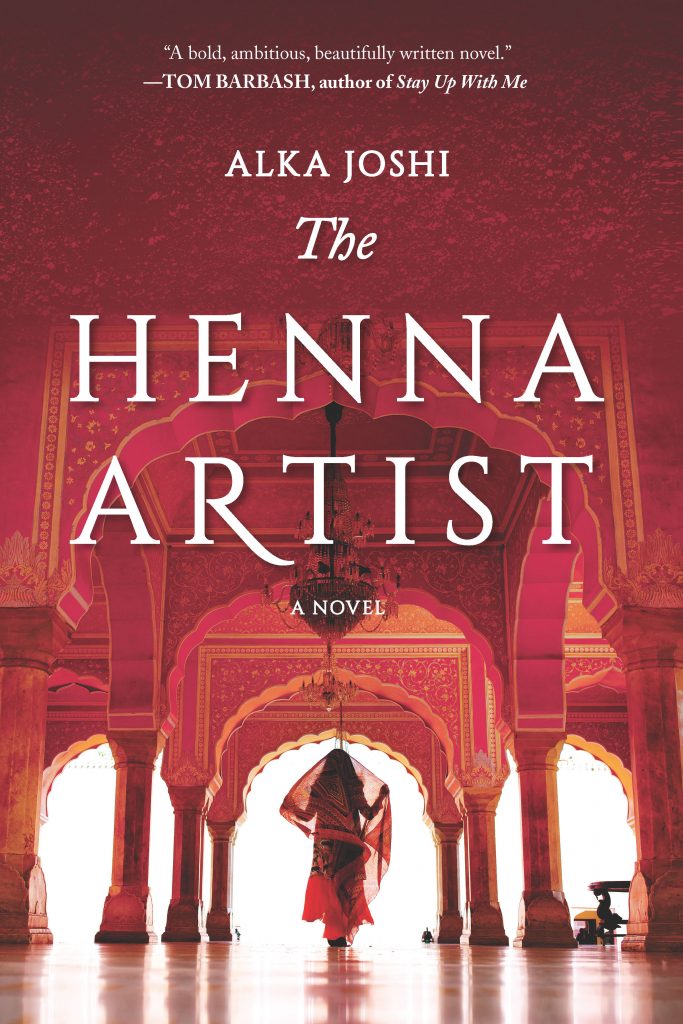
After escaping an abusive husband of an arranged marriage, Lakshmi has curated a niche life as a henna artist and herbalist, carefully balancing her needs with the desires of her wealthy, high caste clients. Until…her ex-husband brings to her a sister Lakshmi didn’t know existed, along with the information that both of their parents are dead. A sister who can topple her meticulously constructed life, simply by being her naive, adventurous self. Joshi has created a picture of a precarious position within society that is specific to someone who provides a service that’s both decorative and healing, desired for its aesthetics and cultural significance. Although accepted into higher society, Lakshmi is still considered a servant to the most influential of her clients, and thereby afforded no protection against her sister’s impetuous actions. Not only has the author provided a compelling tale, but she has included a glossary of hindi words and a history of henna artistry. I was fortunate to receive a digital copy of this beautiful novel from the publisher Mira Books through NetGalley.
EXCERPT
Prologue
September
1955
Ajar,
State of Uttar Pradesh, India
Her
feet step lightly on the hard earth, calloused soles insensible to
the tiny pebbles and caked mud along the riverbank. On her head she
balances a mutki,
the same earthenware jug she uses to carry water from the well every
day. Today, instead of water, the girl is carrying everything she
owns: a second petticoat and blouse, her mother’s wedding sari, The
Tales of Krishna
her father used to read to her—the pages fabric-soft from years of
handling—and the letter that arrived from Jaipur earlier this
morning.
When
she hears the voices of the village women in the distance, the girl
hesitates. The gossip-eaters are chatting, telling stories, laughing,
as they wash saris, vests, petticoats and dhotis.
But when they spot her, she knows they will stop to stare or spit at
the ground, imploring God to protect them from the Bad Luck Girl. She
reminds herself of the letter, safe inside the mutki,
and thinks: Let
them. It will be the last time.
Yesterday,
the women were haranguing the Headman: why
is the Bad Luck Girl still living in the schoolteacher’s hut when
we need it for the new schoolmaster?
Afraid to make a sound for fear they would come inside and pull her
out by her hair, the girl had remained perfectly still within the
four mud walls. There was no one to protect her now. Last week, her
mother’s body had been burned along with the bones of other dead
animals, the funeral pyre of the poor. Her father, the former
schoolteacher, had abandoned them six months ago, and, shortly after,
he drowned in a shallow pool of water along the riverbank, so drunk
he likely hadn’t felt the sting of death.
Every
day for the past week, the girl had lay in wait on the outskirts of
the village for the postman, who cycled in sporadically from the
neighboring village. This morning, as soon as she spotted him, she
darted out from her hiding place, startling him, and asked if there
were any letters for her family. He had frowned and bit his cheek,
his rheumy eyes considering her through his thick glasses. She could
tell he felt sorry for her, but he was also peeved—she was asking
for something only the Headman should receive. But she held his gaze
without blinking. When he finally handed over the thick onionskin
envelope addressed to her parents, he did so hastily, avoiding her
eyes and pedaling away as quickly as he could.
Now,
standing tall, her shoulders back, she strolls past the women at the
riverbank. They glare at her. She can feel her heart flutter wildly
in her breast, but she passes, straight as sugar cane, mutki
on her head, as if she is going to the farmers well, two miles
farther from the village, the only well she is allowed to use.
The
gossip-eaters no longer whisper but shout to one another:
There
goes the Bad Luck Girl! The year she was born, locusts ate the wheat!
Her older sister deserted her husband, never to be seen again!
Shameless! That same year her mother went blind! And her father
turned to drink! Disgraceful! Even the girl’s coloring is suspect.
Only Angreji-walli
have blue eyes. Does she even belong to us? To this village?
The
girl has often wondered about this older sister they talk about. The
one whose face she sees only as a shadow in her dreams, whose
existence her parents have never acknowledged. The gossip-eaters say
she left the village thirteen years ago. Why? Where did she go? How
did she escape a place where the gossip-eaters watch your every move?
Did she leave in the dead of night when the cows and goats were
asleep? They say she stole money, but no one in the village has any
money. How did she feed herself? Some say she dressed as a man so she
wouldn’t be stopped on the road. Others say she ran off with a
circus boy and was living as a nautch
girl, dancing in the Pleasure District miles away in Agra.
Three
days ago, old man Munchi with the game leg—her only friend in the
village—warned her that if she didn’t vacate her hut, the Headman
would insist she marry a widowed farmer or demand she leave the
village.
“There
is nothing here for you now,” Munchiji had said. But how could she
leave—a thirteen-year-old orphan girl with no family or money?
Munchiji
said, “Have courage, bheti.” He told her where to find her
brother-in-law, the husband her older sister had abandoned all those
years ago, in a nearby village. Perhaps he could help her find her
sister.
“Why
can’t I stay with you?”she
had asked.
“It
would not be proper,”the
old manreplied
gently. He made his living painting images on the skeletons of peepal
leaves.To
console her, he’d given her a painting. Angry, she’d almost
thrown it back at him until she saw that the image was of Lord
Krishna, feeding a mango to his consort Radha, her namesake. It was
the most beautiful gift she had ever received.
Radha
slows as she approaches the village threshing ground. Four yoked
bulls walk in circles around a large flat stone, grinding wheat.
Prem,
who cares for the bulls, is sitting with his back against the hut,
asleep. Quietly, she hurries past him to the narrow path that leads
to Ganesh-ji’s temple. The shrine has a slender opening and,
inside, a statue of Lord Ganesh. Gifts are arranged around the
Elephant God’s feet: a young coconut, marigolds, a small pot of
ghee, slices of mango. A cone of sandalwood incense releases a
languid curl of smoke.
The
girl lays Munchiji’s
painting of Krishna in front of Ganesh-ji,
the Remover of All Obstacles, and begs him to remove the curse of The
Bad Luck Girl.
By
the time she reaches her brother-in-law’s village ten miles to the
West, it is late afternoon and the sun has moved closer to the
horizon. She is sweating through her cotton blouse. Her feet and
ankles are dusty; her mouth dry.
She
is cautious, entering the village. She crouches in shrubs and hides
behind trees. She knows an alone girl will not be treated kindly. She
searches for a man who looks like the one Munchiji described.
She
sees him. There. Squatting under the banyan tree, facing her. Her
brother-in-law.
He
has thick, oily, coal-black hair. A long, bumpy scar snakes from his
bottom lip to his chin. He is not young but neither is he old. His
bush-shirt
is spotted with curry and his dhoti
is
stained with dust.
Then
she notices the woman squatting in the dirt in front of the man. She
is supporting her elbow with one hand, her forearm dangling at an
unnatural angle. Her head is completely covered with her pallu,
and she is talking to the man in a quiet whisper. Radha watches,
wondering if her brother-in-law has taken another wife.
She
picks up a small stone and throws it at him. She misses. The second
time, she hits him in the thigh, but he merely flicks his hand, as if
swatting away an insect. He is listening intently to the woman. Radha
throws more pebbles, managing to hit him several times. At last, he
lifts his head and looks around him.
Radha
steps into the clearing so he can see her.
His
eyes widen, as if he is looking at a ghost. He says, “Lakshmi?”
Alka Joshi is a graduate of Stanford University and received her M.F.A. from the California College of the Arts. She has worked as an advertising copywriter, a marketing consultant, and an illustrator. Alka was born in India, in the state of Rajasthan. Her family came to the United States when she was nine, and she now lives on California’s Monterey Peninsula with her husband and two misbehaving pups. The Henna Artist is her first novel. Visit her website and blog at thehennaartist.com
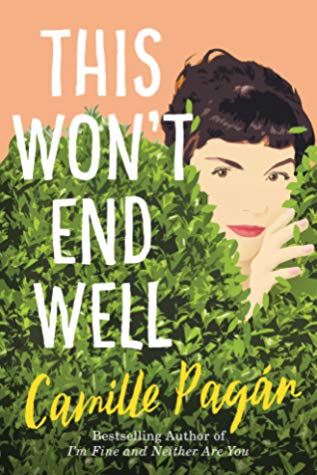
Annie has had it with people, declaring that she is accepting no new people into her life after her fiance moved to Paris to find himself, her career stalled due to a sexual harassment incident, and her closest friends have become “concerned.” Told in epistolary style through Annie’s journal and email correspondence, Dear Reader is privy to Annie’s private thoughts—her frustrations and confusions—as she stumbles into new friendships despite her declaration. Pagán infuses humor into the story as Annie faces challenging decisions. Fans of Ann Garvin and Sonali Dev will appreciate Pagán’s delightfully flawed characters and realistic storyline which offers no clear-cut answers to life’s hard questions. I was fortunate to receive a digital copy of this wonderful novel by one of my favorite authors from the publisher Lake Union Publishing through NetGalley for an honest review.
Ello.
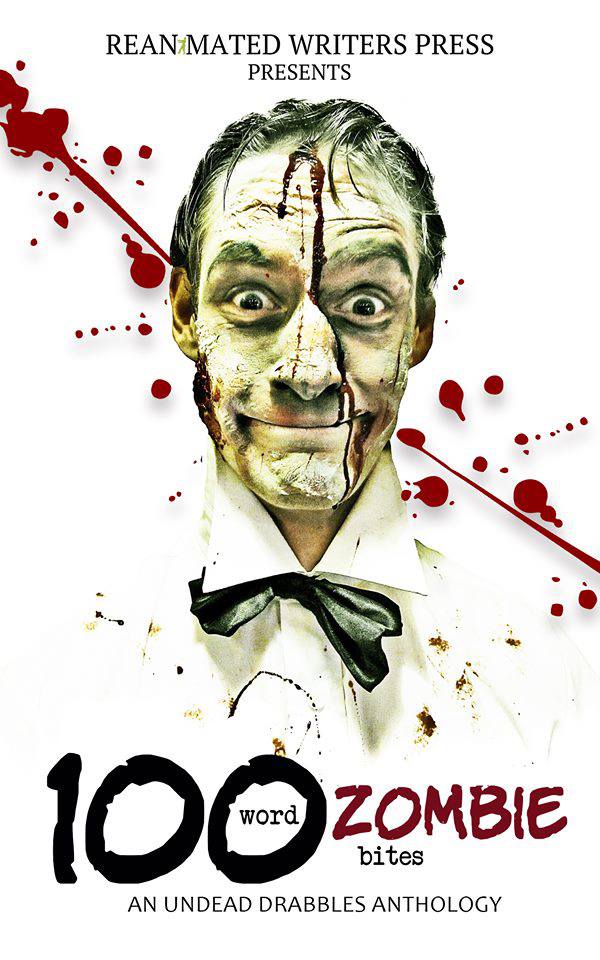
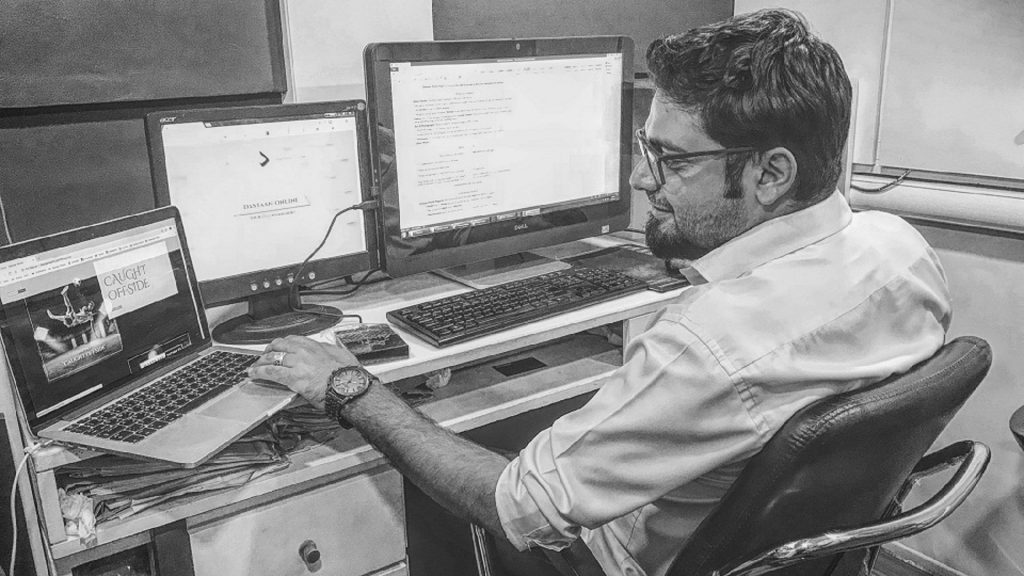
My name is Umair Mirxa. I live and write in Karachi, Pakistan. To be
a published author is a dream I have long held and cherished, and it
has finally, slowly come true over the past year or so. I have the
honour of being published in several international anthologies, but
there is much yet to achieve, including my first novel, and
hopefully, an epic fantasy series. More recently, I have taken up
drawing as a secondary creative outlet. When I am not writing, I
spend my time on Netflix, reading, and watching football as an
Arsenal FC fan.
Tell
me about your writing process: schedule, environment, inspirations,
etc.
The
greatest and most ever-present inspiration for me is, and forever has
been, J.R.R. Tolkien. I read my favourite passages from The Lord of
the Rings whenever I’m stuck with my own writing or even generally
if and when something has me down. Charles Dickens, Neil Gaiman, Sir
Arthur Conan Doyle, and Christopher Paolini are just a few of the
other authors who have inspired me.
I
don’t really work to a strict schedule unless faced with a looming
deadline. I do, however, make a point of writing every single day,
even if what I produce turns out to be spectacularly ridiculous
rubbish. If the muse is singing, I have been known to write for 14-16
hour sessions without food or sleep. There are, of course, plenty of
days when even a 100-word drabble seems like the most horrible chore.
I write digitally using a desktop PC, sitting at a desk which has a
notepad, a pen-holder, an ashtray, several mugs of coffee, and snacks
and smokes in a room which contains my bookshelf, a TV, a PS4, plenty
of light, and a couple of extremely comfortable leather sofas.
Walk
me through your publishing process from final draft to final product,
including services hired as a self-published author, and marketing.
While
I have been published in nearly three dozen anthologies recently, I
have yet to self-publish a book. Once it is ready, and hopefully the
day is not too far off, I plan on seeking out a couple of author
friends to beta-read the final draft, and then upload the final
product to print-on-demand platforms like Amazon and Lulu. I am lucky
enough to have professional experience as a graphic designer and a
digital marketer, thus eliminating the need for hired services. I
hope to create a decent cover myself, and I will definitely be doing
my own marketing, at least for a while yet.
Talk
about your support system online and IRL, especially your biggest
cheerleaders.
I
feel I have been truly blessed when it comes to having a support
system as a writer. My wife does everything possible to facilitate my
process and schedule, and has been the greatest, most constant source
of motivation and encouragement. My mother, both sisters, brother,
mother-in-law, and sisters-in-law and even their husbands have all
cheered and spurred me on, and I have the greatest group of friends a
guy can ask for in my corner, always. They have supported me,
encouraged me, chastised me when necessary, and contributed ideas and
advice for my stories.
Lastly,
and most certainly not the least, I have been incredibly fortunate to
have a rather remarkable group of author and publisher friends online
who have beta-read my work with honest feedback, shown me submissions
opportunities, encouraged me to write and submit, and given me
excellent advice not only for writing but for life as well. They
include, and I apologize in advance if I fail to mention someone I
should, authors such as Steve Carr, Shawn Klimek, David Bowmore,
Bruce Rowe, Mark Kuglin, Patt O’Neil, Mehreen Ahmed, Pavla
Chandler, Aditya Deshmukh, Nerisha Kemraj, Ximena Escobar, Kelli J
Gavin, Arabella Davis, and Dawn DeBraal, and publishers/editors Grant
Hudson, Dean Kershaw, Zoey Xolton, Madeline L. Stout, and Stacey
Morrighan McIntosh.
How
does life influence your writing and vice versa?
In
every way possible, I imagine. For most of my life, reading fantasy
stories has been a way of escape, and now I write them myself, more
often than not, for the very same reason. Yet no matter how fantastic
a landscape I portray or how outlandish my characters, the essence of
my own personal experiences permeates all of my writing. My
characters, therefore, and much like I do myself, will generally hate
racism and discrimination in any form with a vengeance, and they’ll
tend to be quiet and introverted, with only a small group of close
friends. They will have experienced loss and adversity, will enjoy
books and food and travel, music and solitude, and the all the simple
pleasures of life.
Simplicity
is perhaps the greatest lesson taught to me by the art and practice
of writing. Too often, we complicate our lives beyond reason by
chasing after material and financial gain at the cost of all that is
good and pure in our time on Earth.
What
do you love most about your creativity?
The
ability to bring to life characters and things and places, and entire
worlds which I can visit and explore at leisure. To be able to have
conversations with people I would never actually meet, to give them
lives and loves, experiences and friendships. To dream of a world
which has never been and might never come to be but still be able to
envision and set stories within, and then to share them with the
world that is.
I
love how my creativity means I am never, ever bored and can
comfortably be alone for days, even weeks on end if necessary. I
enjoy discovering potential stories when I’m out at a restaurant,
mall or park, and can create characters of the people I see and meet.
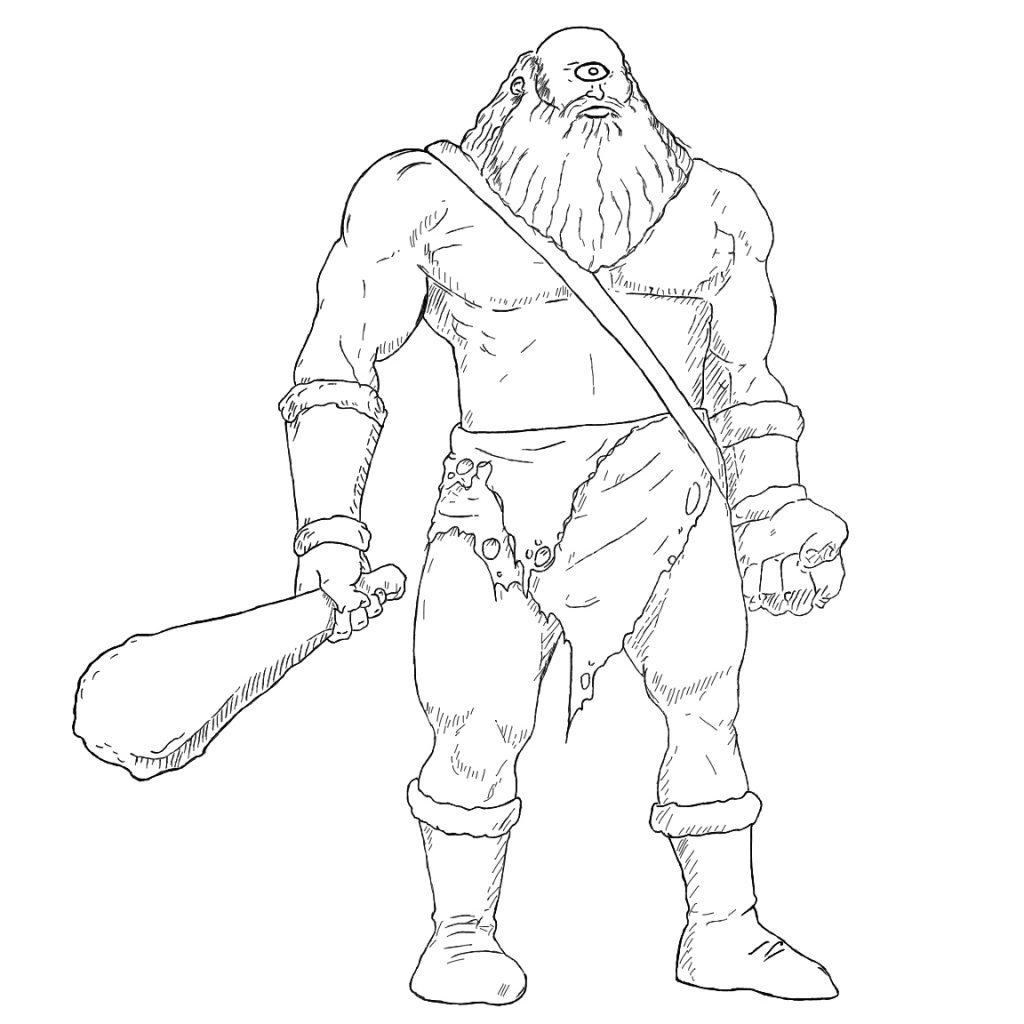
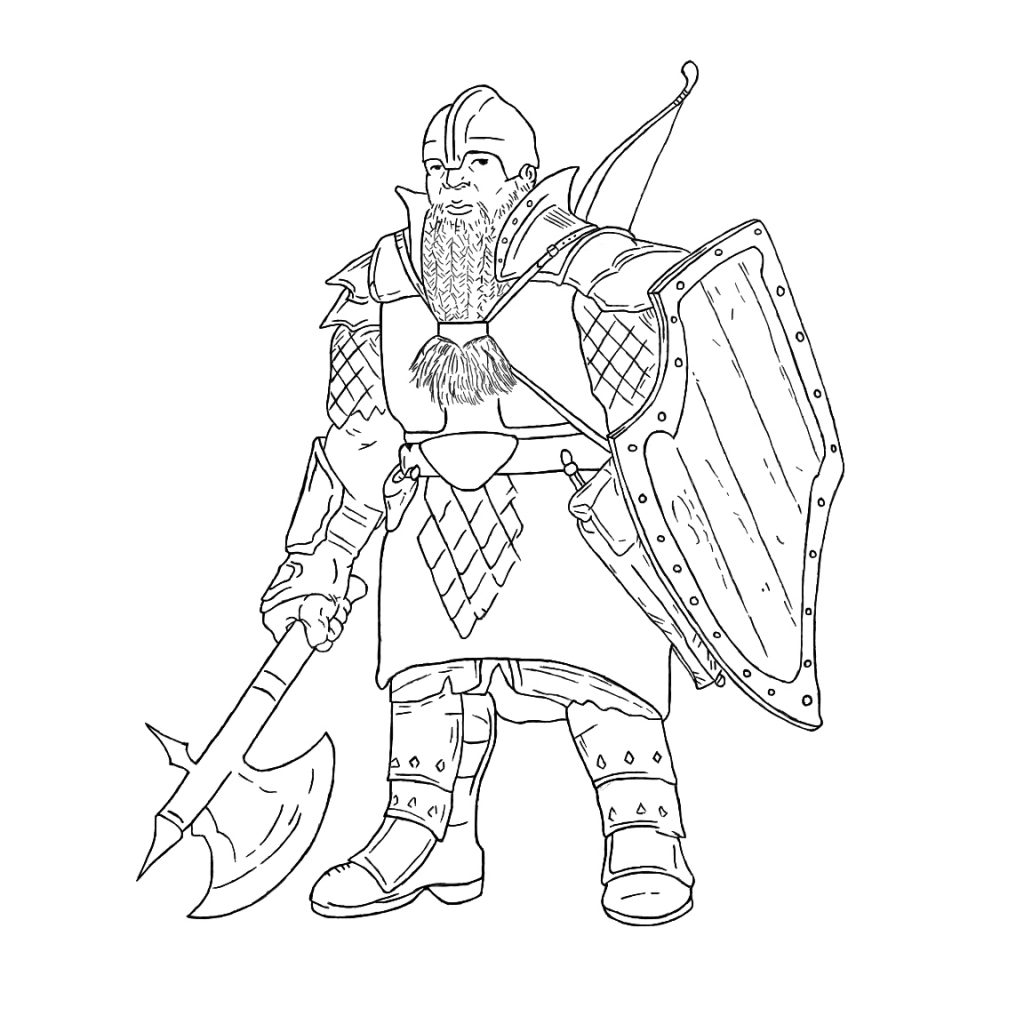
More recently, since I have taken up drawing, there is the additional
joy of studying light and shadows, form and shape and perspective,
and then to try and apply all of it to a blank canvas.
Most
importantly perhaps, and I know all authors crave an audience, but I
absolutely love when someone tells me they enjoyed reading one of my
stories. It is one of the greatest pleasures in life, I believe, when
your work is the source of joy for another.
Author
Extra: Write a 50-word story right here, right now!
Brynhildr withdrew her sword
from the fallen warrior’s chest, swayed, and collapsed herself.
Slowly, the dark descended, and she felt herself ascending. Strong
arms around her. A gentle caress. The weight, the pain, the fear. All
of it, gone.
She
opened her eyes, and with a smile walked into Valhalla.
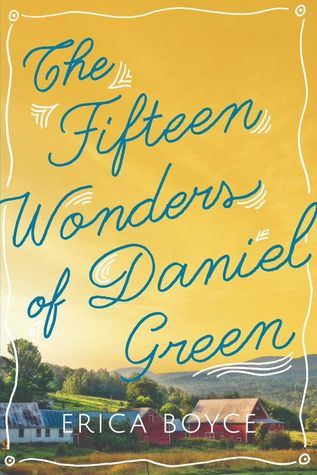
Daniel Green finds purpose in secretly designing and creating crop circles within a secret organization who have field agents across the country. On his significant fifteenth crop circle, he feels drawn to the family of the farmer who hired him, and his life may just find another purpose. Boyce carefully presents the process of designing and making the crop circles, delving into the psyches of those who choose to do this work, and offering very human reasons for their hire. I received a copy of this wonderful story from the author’s agent Eric Smith for an honest review, and I highly recommend this book.
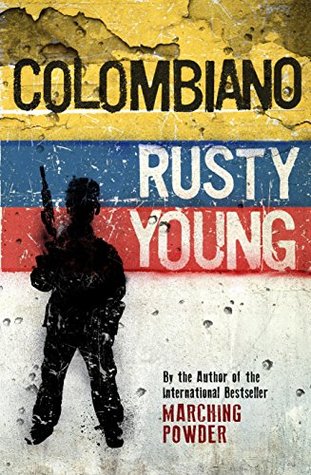
Pedro’s life on his family farm turns into a nightmare when guerrillas execute his father and banish his mother from their home. Vowing revenge, he joins the Autodefensas, a paramilitary group fighting the guerrillas, discreetly alongside the state military, and inculcates himself into hierarchical politics toward his hidden agenda of vengeance. Young represents a no-win situation for a teenage boy in a village that’s essentially a war-zone based on greed disguised as ideology. The author writes from a well-researched position of direct observation and interviews with real-life child soldiers, though the perspective must remain that of a white westerner. Young co-founded a foundation to rehabilitate and resocialize former child soldiers, using his residence in Bogota as headquarters and tithing royalties from this novel to the foundation. Read about his history and connections here: https://www.goodreads.com/author/show/24214.Rusty_Young. As a novel, this is a compelling story of terror, self-redemption, romance, and familial obligations, evoking awareness of these child soldiers. I received a digital copy of this well-written story from the publisher Bantam through NetGalley.
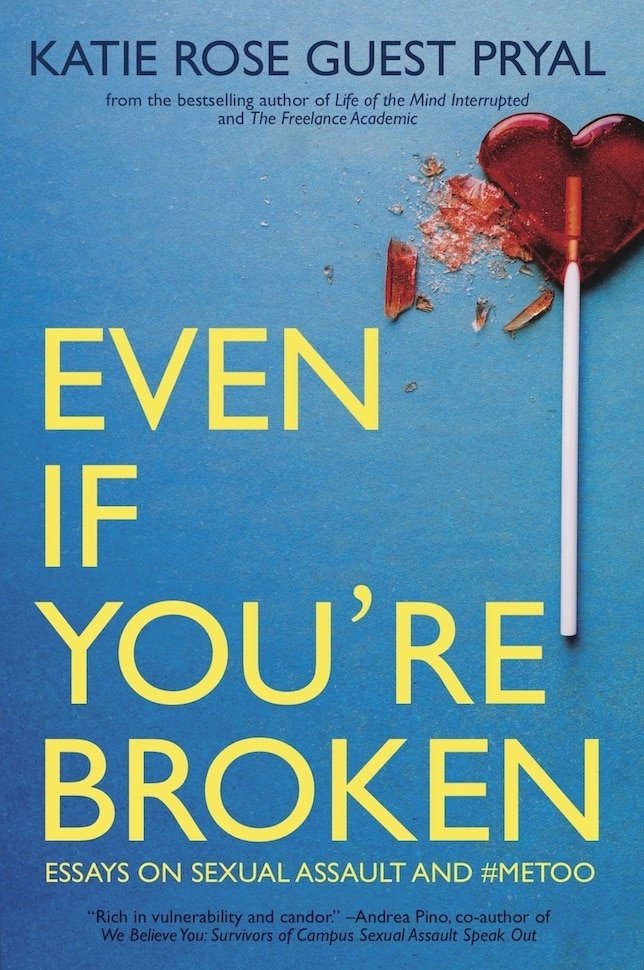
Katie
Rose Guest Pryal
is the bestselling author of novels, including Entanglement,
Chasing
Chaos,
and Fallout
Girl,
and non-fiction, including Life
of the Mind Interrupted: Essays on Mental Health and Disability in
Higher Education
and Even
If You’re Broken: Essays on Sexual Assault and #MeToo.
She writes for Catapult, the Chronicle of Higher Education, and other
magazines. She lives in North Carolina.
Tell me about your writing process: schedule, environment, inspirations, and how you determine whether you’re writing a non-fiction book or a novel, and if that changes your process.
Thank
you for asking me such thoughtful questions. First—I’m very lucky
because I get to write full time. I do teach one course a year at our
law school here in Chapel Hill, and I give talks (about one per
month). But otherwise, I’m writing. I write lots of different
things: I have three different regular magazine columns. I write
books for academic and professional audiences (mostly on professional
writing). And, I write trade books: novels and nonfiction books.
Basically, I’m writing all of the time. I don’t have a choice.
What
all of this means is that I have to plan my time very carefully to
account for the many deadlines I am responsible for, and to be sure
that the important parts of my personal life are also taken care of.
I’m a wife and a mother
of two young children. I also have discovered (way too
recently) that it is important to take care of myself as well.
I
tend to focus on one project at a time. On my calendar, I will mark
out a period of time to work on one project until it is finished, and
then I will move onto another project. Right now, for example, I have
edits back on my next novel. The editorial process will go much
better if I do them all at once without lots of breaks. So: I will
clear my calendar for a week or two (however long it takes), and I’ll
do this revision until it’s done. Stopping in the middle means I
might lose threads or forget important things that I need to fix.
That’s not efficient. Essentially, this process is just a writer’s
version of “no-multitasking.” Once I get my 4 hours of efficient
writing in, though, I will still have time for daily tasks, like
answering emails
and pitching stories, things that must happen to keep the ship
afloat. But I won’t try to write two books at the same time. That’s
not efficient, at least not for me.
Walk
me through your publishing process from “final”
draft to final product, including who does
what when, and marketing that you do as the author.
On
average, I publish one trade book a year.
(Note:
I usually publish more than one book a year because I’m also
publishing academic/professional books, too. However, my
academic/professional book publication schedule depends a lot on
other people because I work with co-authors and because the
publication dates depend a lot on strange things like the academic
calendar. The point is, sometimes I publish more than one book a
year, but let’s not worry about those other books right now.)
Back
to what I was saying: I usually publish one trade book a year. I’m
not unusual in this. Many excellent authors and author teams publish
2-3 books a year (and I wish they’d publish more, Ilona Andrews).
I’m on a one-book-a-year schedule. How I write, though, is in
bursts. I’ll write my first draft (70-80k words) in a matter of
weeks, maybe 6 weeks. I realize that sounds fast, but you should see
the steaming pile of nonsense that comes out in 6 weeks. Then, I set
it aside for a while. I go back to it, take some anti-nausea
medicine, and revise. After that first revision, I send it to my most
trusted editor-friend. I trust her because she’s a great editor and
also because she won’t share with the world how terrible my early
drafts are. Then I wait a while more to let the book “sit”
(think: aging whisky), and then I revise again with her comments. I
usually send it back to her to make sure I did it right (mostly
because I’m neurotic and worried) and she sends it back (with lots
of encouragement and few more comments), and then I revise once more
and send it out to my beta readers, people I trust to read it on
their e-readers and give me their honest feedback on the story. ONE
MORE REVISION with that beta feedback (or maybe three or four), and
I’m done. Again, I think my process is pretty normal. I want to
emphasize how group-oriented writing is. I literally could not do
this without my trusted people.
And,
because I publish one book a year, I am always writing a book.
Always, always writing. I’m grateful that I have time to do it. But
also, I’m working on setting some boundaries. Maybe one year I’ll
go crazy and skip publishing a book.
Talk
about your support system online and IRL, especially your biggest
cheerleaders and how you became a beautiful blooming Tall Poppy.
I
have a great support system. My husband and kids are incredible. I
also have some great hobbies (including a new one!) that are both
outside-hobbies and physical so I’m sure to get away from my desk.
My support system of fellow writers and readers I described in my
writing process. And of course, the Tall Poppy Writers is a wonderful
community of supportive writers. I’ve made some of my best friends
through that group.
Dear
Readers can clearly feel your essence in your writing, especially
your essays; how does your writing in return influence your life?
I
figured out when I was very young (like, age 12) that writing things
down would help me figure things out. I still have my journals from
back then—somehow they survived all of the moves and purging I’ve
done over the years. I still using writing to help me gain
perspective on my world. A lot of my essays began as me trying to
solve a problem in my life. Often, the problem seemed so huge and
unsolvable. And then, after writing about it, I was able to find a
way to intervene, to make things better. And after I was able to make
things better for me, the essay became something I could share with
others. In fact, my non-fiction books (on mental health, on career
changes, on sexual assault) all started that way. Me: “I feel like
I don’t know what to do. I think I’ll write about it.”
*scribbles a lot.* “I think I have an answer. Let me share it with
literally everyone.”
In
fact, being able to write myself out of problems is one of the things
I love most about being a writer in the first place.
What
do you love most about your creativity?
[I
just got to this question, and I answered it in my last one!]
A product of her decisions within a harsh justice system, Jazz does her best to protect her little brother Joaquin from his adopted (her foster) mother’s irresponsible religious response to his diabetes. Approached by a vigilante via phone, she resists at first, but gives in to the exchange of murders, though her first two attempts are thwarted, and she is then targeted. That the killings are obvious murders belie the idea that there’s an elaborate secret killing machination in place, especially since it does not seem to include an effective contingency plan. I received a digital copy from the publisher Mira Books through NetGalley, my request based on my appreciation for her previous book HuntingAnnabelle, which I found brilliant.
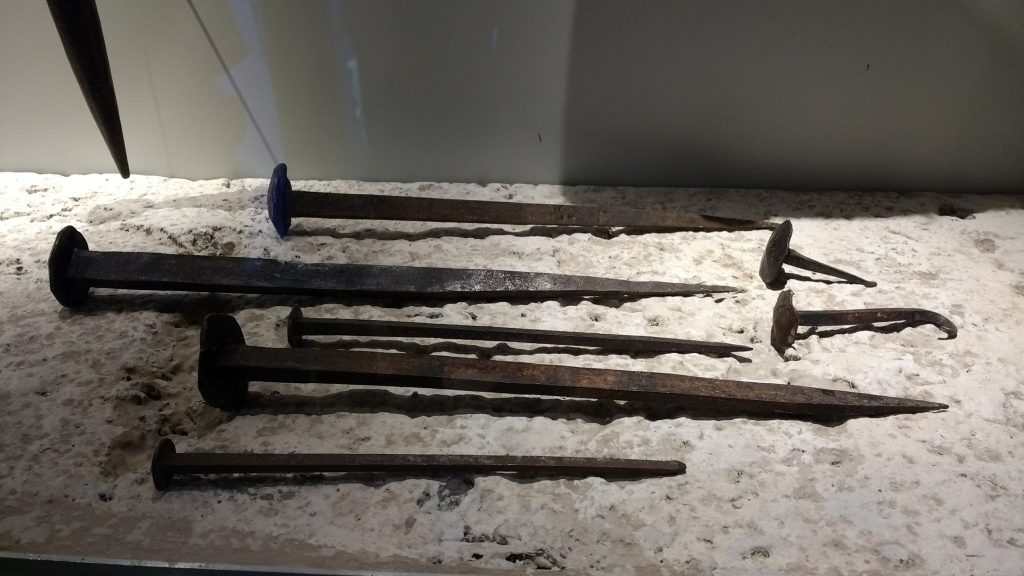
Photograph by Max Braday Dungeon and Torture Museum Burghausen Castle, Burghausen, Germany
The dozen or so individuals gathered around the display while one
read the placard out loud.
During the seven centuries long Bloodluster-Lycanthropy War,
torturous atrocities were committed on both sides. Here you see
“harmless” non-silver metal spikes that were driven into a small
coven of vampires onto a silver slab, thus preventing their escape.
Placed in an isolated cave deep within the Eurasian forest, they were
found 157 years later by chance, after the war ended.
Of all the names,
why do they insist on that one—a voice lamented from the rear.
Dude, you’re not even a vampire; you’re a simple wraith—scorned
a tall, dark, handsome vampire. The wraith whined—But I want to be.
Laughter spread through the group as the reader rejoined them and
said—the winner gets to name the war, bloodsucker.
“Sure, Hank, no one is your enemy. We know. But let’s keep our tazers at the ready just in case, okay, my friend?” Waltraud snagged the book from Hank and stuffed it in the front of her shirt, bumping his tazer up with her own. “Why does your book smell like puke? It’s overwhelming my own fetid swamp in there.”
“It’s regurgitating the hate that surrounds–“
“Yeah, yeah, yeah, whatever. Sorry I asked.” Shoulder to shoulder, they strode stealthily through the starship’s upper deck, three starkiller robots on their heels like big dumb dogs with 4317s holding ammo that detonated on contact. When one hit a human head, it was a fireworks of organic material. Hitting a robot endangered them all. Sometimes the difference wasn’t obvious. The starkillers were programmed to follow the instructions of Waltraud alone.
When she turned the corner and her head disappeared from a blaster ray, the starkillers turned to Hank, who said, “No one is my enemy.” They fired.