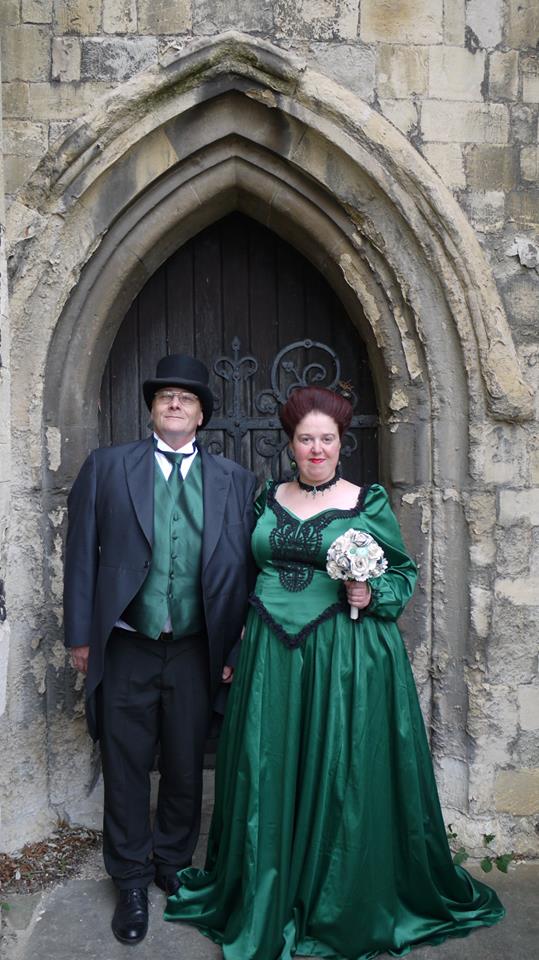
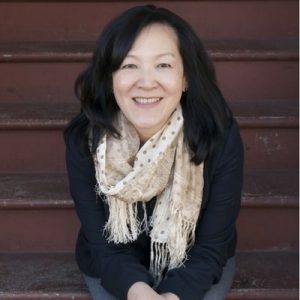
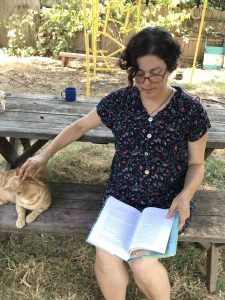
Ruth has a dynamic persona online; she’s friendly, smart, and funny, supporting other artists with her wit and wisdom. She also happens to be multi-talented, sharing her writing and artwork on Facebook. Links to connect with her to commission artwork / illustrations are at the end of the interview.
Tell me about your writing process: schedule, environment, inspiration, tools, magic spell, etc.
Sorry, I’m still grinning from ear to ear at the description you’ve given. She sounds pretty amazing, actually. Quite like to meet her.
I started properly writing about two years ago whilst going through a very difficult time in my personal life. I woke up at 4am in the usual panicked state, picked up my phone and began to write a scene which had been hanging around in my head for a while. It started an escape from reality; I discovered that I could immerse myself in the safety of words and the worlds they create. It not only got me through that challenging situation; it secured my way out. The piece I wrote was fan-fiction (Discworld, if you’re wondering), imperfect but a decent story nonetheless. It hooked the interest of a fellow fan who ended up marrying me. Words are important!
After that I tried a sequel, but a story idea I had from twenty years before was rather insistent I get back to it and so, on my daily commute, I would feverishly tap into my phone. It made what was essentially dead time bearable and productive. I would aim for a minimum 200 words a day, but usually made 400+, which wasn’t bad for an hour’s work.
I’m now working from home as an artist, primarily, and this has meant no commute time. I’m still coming to terms with that, and so writing has been a little bit neglected. It’s not that I get writer’s block, but that I get involved in other projects and need to reign myself in every so often! Flash fiction often helps get me back on track and there’s nothing so good as reading to promote the need to write.
I am inspired by anything and everything, but as some wise person once said, write what you know. So, as I’ve had a strong interest in the paranormal since I was very young (I used to think I was a werewolf, but I’m alright nowOOooOOOooo!) and an undying love of comedy, I had to push the two together. My current project is a paranormal comic fantasy mystery novel. Four genres are better than one, right? And so the dark comedy of Pemberton and Shearsmith, combined with all the true crimes and hauntings I’ve read about over the years, have definitely played a part. I also listen to music for inspiration and there are several references to tracks by 80s ska band, ‘The Specials’ and the ‘Fun Boy Three’, although those references are for my enjoyment; the reader may not necessarily spot them.
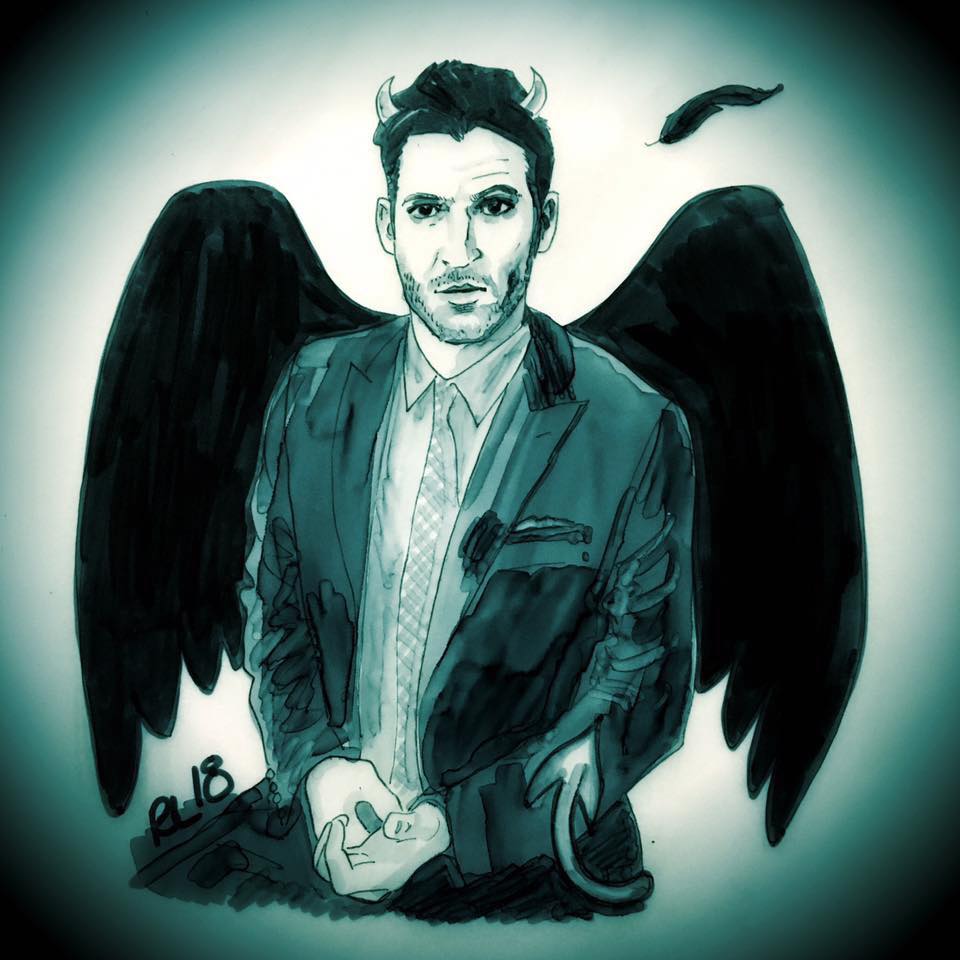
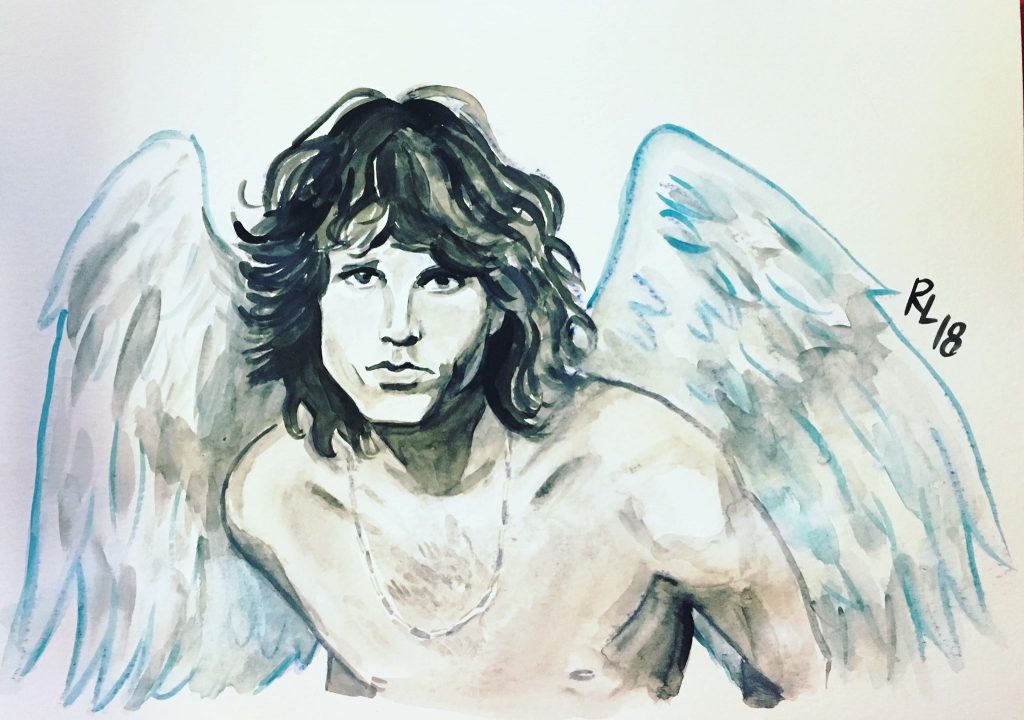
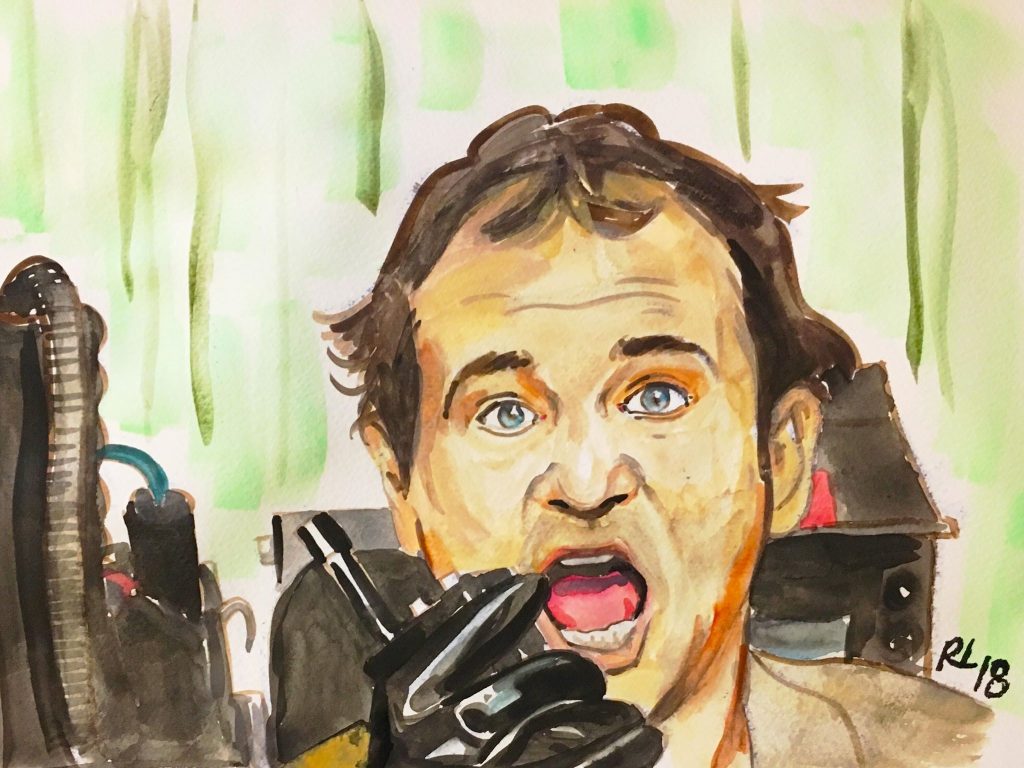
Describe your art process: similarities / differences to writing process and just how much time, energy, effort, and personal essence goes into each piece.
I describe both writing and painting as ‘flow’ activities in that, when I’m in the process I lose myself and the subconscious takes over for me. I become unaware of my surroundings and totally focused on pinning down what I see either in words or lines. When I write I visualise very strongly and so I see the characters interacting—I see the scene play out in my mind’s eye, hear their voices. It’s like a big game of pretend where I’m in charge of everything, but there is a feeling of really only being a scribe for these imaginary people. When I paint, and it’s predominantly portraiture that I do, I usually have a reference to work from so I’m trying to capture what’s in front of me, but more than that, the spirit of the person I’m replicating. I write about the dead and oddly my subjects are often no longer with us, but whether I’m literally channeling anything I couldn’t say. But again, I think my subconscious picks up on the features or the expression of the subject and seems to know what bits I should downplay or accentuate to put that likeness across. For the time I’m working on it, I pour my whole self into it.
When you let your conscious mind take the backseat it’s a very calming and cathartic experience. It does wonders for mental health and staving off depression and anxiety and you don’t need a prescription from a professional!
Explain your support system online and IRL; who are your biggest cheerleaders?
My husband, Graham, is my biggest cheerleader, although the visual that just inspired will haunt me. He’s not really the build for a leotard and pompoms. If it wasn’t for his encouraging words when I first started writing, I certainly wouldn’t be where I am now. He is in the process of designing, then building, my workshop where I’ll be doing all things creative. At the moment my kitchen table is my studio!
Online I’m predominantly on Facebook as a platform and I love it because, aside from the inevitable bots and trolls, you’re meeting and interacting with real people. Through groups and pages I can explore and share my special interests, as well as test out gags. I’d say half of the jokes in my novel are inspired from my need to outdo others in the witty riposte stakes. All of my commissions have come from Facebook, which again, has been due to my taking part in Inktober and continuing this with a Daily Drawing. Regular content is a must. These aren’t anonymous people—these are actual people and genuine connections which I find infinitely more fulfilling than some of my real life friendships (not you, Louise—my bestie if she’s reading!)
How does your life influence your work (writing / art), and vice versa?
I wrote a story that had two characters fall in love, in the midst of a dramatic backdrop. I was in the midst of a dramatic backdrop in my real life; then a man not unlike the lead stepped in and we fell in love. Thankfully, I didn’t kill either of those characters off because I do think that what we write, whilst inspired by our experiences, can also influence our experiences. I’m weird like that. A specific example is that the climax of my novel is set in a real place, The Secret Nuclear Bunker, which I visited with my husband before we married. It is undoubtedly the most unpleasant place I have ever visited and at some point I’ll need to visit it again for writing purposes. As we were leaving there was a sign on one of the doors that said ‘No Paranormals’ and in my head I heard Geoff (werewolf archivist and anal retentive) say, ‘Well, that’s just prejudiced!’. On the drive home the cogs whirred and by nightfall I had the entire end of the book worked out. Poor Graham then had to listen to this before either of us were going to get any sleep.
As for art, I like painting people because they fascinate me. That sounds as if I am not a person, but faces and expressions and trying to capture that I simply love.
What do you lost most about your creativity?
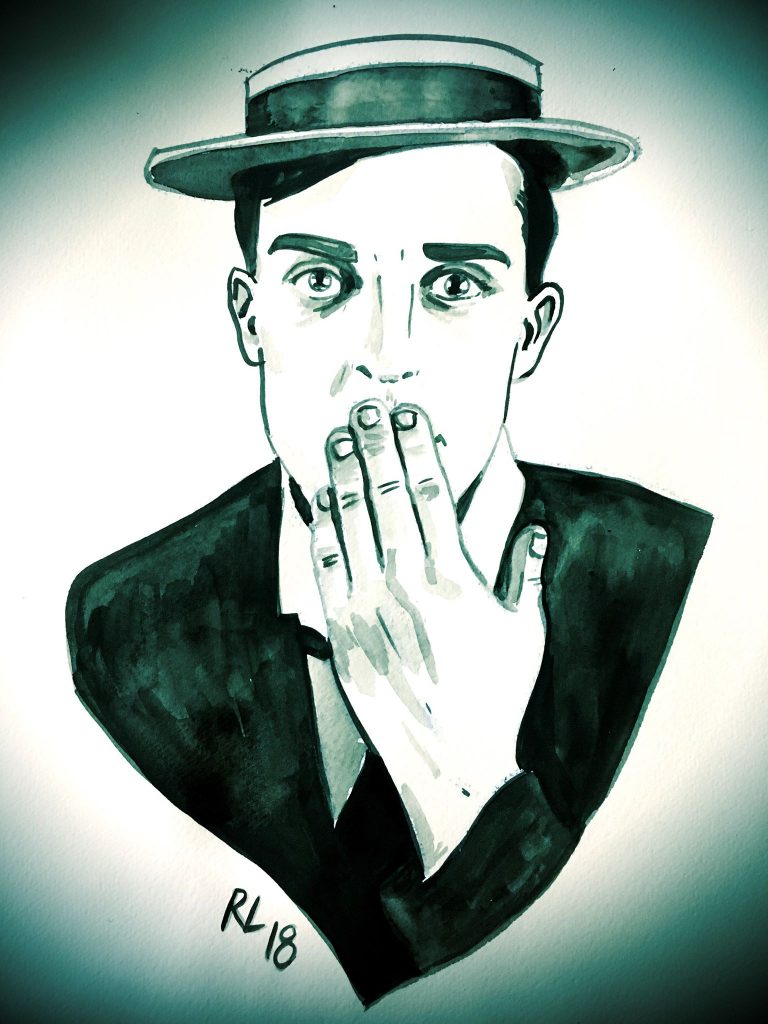
Love? I am never able to just do nothing. I’ve always got something I’m thinking on, working out, planning to do next. Often before the last project is done…What if this? What if that? The majority of my heroes were creatives and so I’ve spent a lot of time learning about their processes and what drove them to do what they do. Buster Keaton is an unlikely inspiration for my writing, although he was quite a writer himself. I have a character specifically based on him and I’ve really enjoyed the challenge of writing for a character that can’t, the majority of the time, speak. I like those hooks, I wouldn’t call them gimmicks, but I enjoy writing most when I’m restricted. So for instance, having a character literally written into a situation so difficult you wonder how you’ll get them out of it. That’s when we’re at our most creative, when we have limits to work within, so I’ll often self-impose these. It’s a good writing exercise too, like, write a 100 word piece on being a parent without using the words child, kid, responsibility, mother or father; go! Go on, you should try that.
Author Extra: novel-in-progress teaser
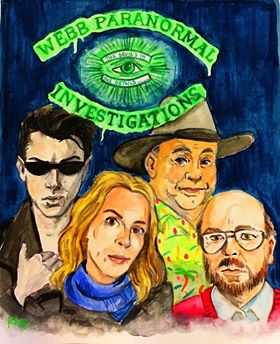
Maddie Webb’s life was at a dead end but, for some, being dead is just the beginning. When she inherits the family business she doesn’t bargain on inheriting her late Uncle Stan too. Teaming up with his ghost, a demonic cat, a painfully cool vampire and an anally retentive werewolf, she unwittingly finds a purpose.
WEBB PARANORMAL INVESTIGATIONS: serving the supernatural community. The Devil’s in the details.
Connect with Ruth:
 Tell me about your writing process: schedule, environment, strategies, inspirations material and intangible, magic spells, and treats.
 Describe your publishing process from final draft to final product, including publishing team, timeline, and expectations of you as the author.
 What do you love most about your creativity?
 Tell me about your writing process: schedule, environment, strategies, and inspirations tangible and abstract—what’s in your office?
 Walk me through your publishing process from final draft to final product: publishing team, timeline, and expectations of you as the author, especially toward marketing and publicity.
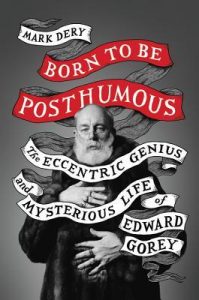
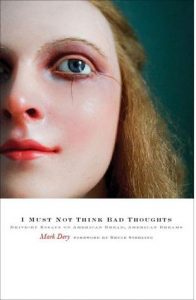
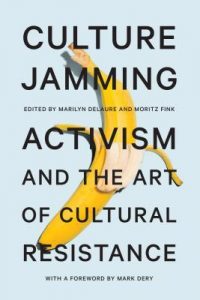
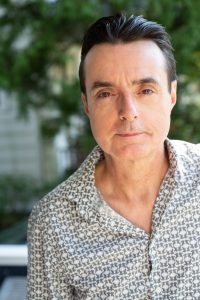 Mark promoted his Edward Gorey biography Born to Be Posthumous on Twitter and I politely asked for a copy to review. He graciously offered publisher contact information, and Little, Brown, & Company sent me a copy. It’s so good, people. If you’re not familiar with Gorey’s work, you will want to be in on this open secret after reading Dery’s book. Gorey was a fascinating character, and Dery is a brilliant storyteller. He’s really so much more—this interview a tiny peek into the profundity of his work, but I’ll let you read up on Mark further on his own website. Links to connect with Mark and purchase his work follow the interview.
 Tell me about your writing process: schedule, environment, strategies, inspirations intangible and material, magic spells, etc.
  How do you choose your subjects?
 Talk about your support system online and IRL; what motivates you? Who are your biggest cheerleaders?
 As a writer and public speaker, how does your life influence your work and vice versa?
 What do you love most about your creativity?
 Connect with Mark:
 I won Seven Days of Us through Goodreads and devoured it, a story full of complicated family dynamics imploding from mandatory quarantine due to a daughter’s work in treating an epidemic—my review
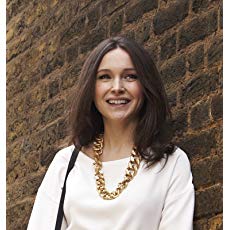
 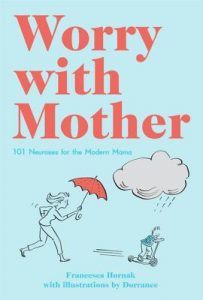 I try to write every weekday morning between 9:15 and 12:15, which is the window when both my children are in nursery. I’m actually glad it’s so regimented, as it enforces a kind of ‘exam conditions’ pressure, which I find easier than if I had all day at my disposal. I could write at home, but I generally go to a café or library, as I like to work surrounded by strangers, and I always get more done in a place where I’m not connected to the Wi-Fi. I usually begin by having a really elaborate breakfast over my laptop, which I definitely wouldn’t recommend as a writing strategy, but I’ve now come to believe that I physically can’t write without a particular kind of coffee/juice/toast/peanut butter etc. Other than that I’m not too particular; I just always avert my eyes from the Wi-Fi password and usually wear earplugs—unless I’m eavesdropping on an especially interesting conversation. Inspiration is a mix of internal and external. It might be something I’ve experienced, that I want to relive through a character., or it might be a news story, or a chance conversation, that sparks an idea.
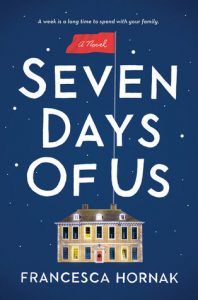 The final product wasn’t hugely different to the final draft, and luckily my editors (I edited UK and US editions simultaneously) agreed on everything. There were two scenes in my draft that we all felt were implausible or melodramatic, so I cut one and changed the other. Jesse’s character (the illegitimate son who gatecrashes his birth father’s quarantine) was also given a little more backstory and depth. The rest of the editing was mostly me finessing the wording. I’d rushed submitting to publishers, as my agent and I were both pregnant and wanted to get the manuscript out before we gave birth. So I wanted to perfect nearly everything—towards the end my US editor did suggest I ‘cease and desist’….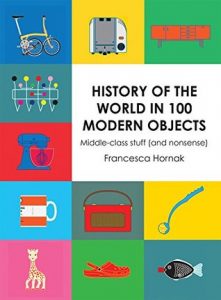
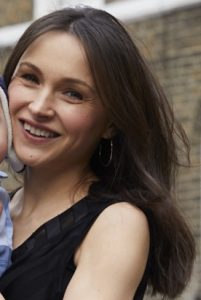 Connect with Francesca:
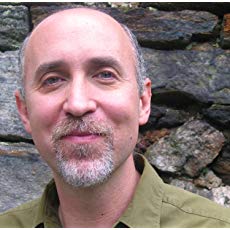 Richard Zacks was born in Savannah, Georgia, but grew up in New York City. As a teenager, he gambled on the horses, played blackjack in illegal Manhattan card parlors, and bought his first drink at age 15 at the Plaza Hotel. He studied Arabic in Cairo, Italian in Perugia, and French in the vineyards of France. He wrote a syndicated column for four years carried by the
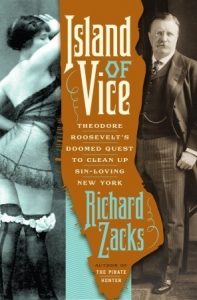 Books come in phases. I love the research. It plays to my voyeuristic/private eye tendencies. I love snooping into lives in the past, reading personal letters, trying to build out entire scenes. Since I was trained as a journalist before becoming a historian, I lean hard towards Who, What, When and Where. I want physical details, so I build elaborate timelines, sometimes 400 pages long… Aug. 22, 1893, Aug. 24, 1894… and then I layer in every detail I can find with its source. Over time, these random details accumulate and a clear picture of many individual days starts to emerge. This format of a giant timeline helps with “plotting” the non-fiction narrative. Yes, it is non-fiction, but writers have huge choices as to structure and I always want to build a plot and suspense, because that’s what I need as a reader to keep me interested.
 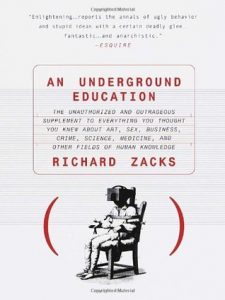 A friend described his publishing process as “the calm before the calm.” Thankfully, I have never experienced that. The PR departments of the various publishers have gotten me piles of radio interviews over the years and bookstores appearances. I LOVE giving my PowerPoints, especially this last one on Twain, since it generated lots of laughs. I never knew how absolutely glorious it feels to make two hundred people laugh. Thank you, St. Louis.
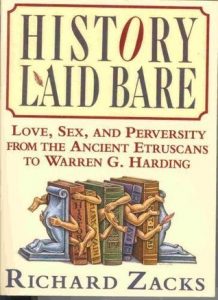 My wife is a literary agent, so she reads the near-final draft. She is brutally honest, after I convince her yet again that I want to be brutally honest. I try not to bother her too much, but she is really good at what she does, and has dozens of paying clients to serve. Reviews have been solidly positive over the years, but I did get a complete slam in one major publication. I was flabbergasted. I complained to the book editor and he asked whether I believed in freedom of the press and of opinions. I said “Sure,” but that he shouldn’t let children play with matches. I also like Ben Franklin’s line about Freedom of the Press being accompanied by Freedom of the Cudgel. Ka-boom.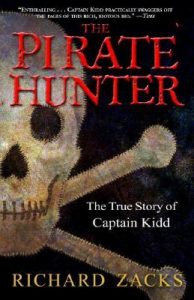
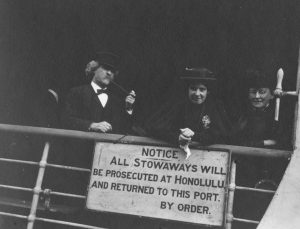
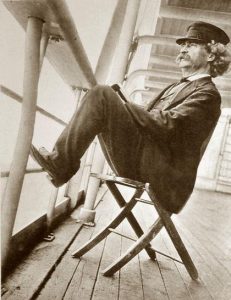
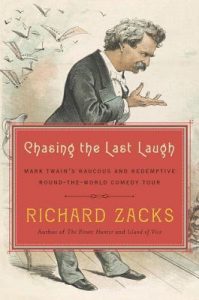 Connect with Richard Zacks:
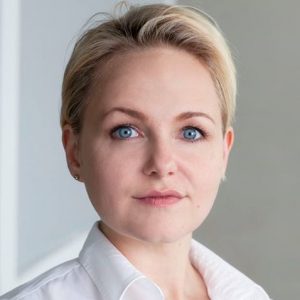 Rufi Thorpe received her MFA from the University of Virginia in 2009. Her first novel, The Girls from Corona del Mar, was long listed for the 2014 International Dylan Thomas Prize and for the 2014 Flaherty-Dunnan First Novel Prize. Her second novel, Dear Fang, With Love, was published by Knopf in May 2016. Her third novel, The Knockout Queen, is forthcoming in 2020, also from Knopf. She lives in California with her husband and two sons.
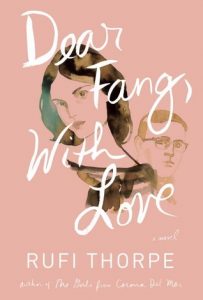 Now my children are older and I have many more hours while they are at school, but those hours still feel somewhat stolen, and that lends the act of writing some urgency. I have never, for instance, had to worry that I would fritter away my few hours with social media. I am also, for better or worse, one of those writers who enjoys the act of writing itself. I enter a kind of narcotic stupor, and I can write twenty pages and then kind of “wake up” and have to figure out if anything interesting happened in them or not. I have to throw away a lot, but it also means I think I torture myself less than is common. Both because my time almost always feel stolen, and because I actually enjoy writing more than any other activity I do, my writing time has almost no ritual element. I don’t have to get in the mood, or become inspired. All that is required is a computer. I suppose the only truly odd thing is that I prefer to be entirely alone and dislike it even if someone is in the next room.
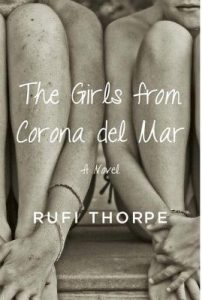 The book undergoes four rounds of copyedits, which involves changes made by the copyeditor, which I then review, everything from spelling or grammar errors, typos, to “would a football game be on at this time of the day on west coast time?” Copyeditors are amazing people. At around this time, you start to see cover mock-ups. While I don’t think I have full cover control, i.e. the ability to legally veto a given cover, my publisher very much wants me to be happy, and if I have a big problem with something they will try to accommodate me. But I’ve been very happy with all the covers they have shown me, so we have never had to really duke it out.
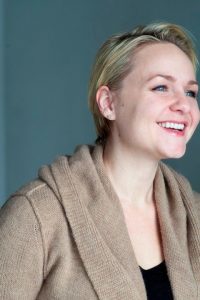 Connect with Rufi:
 I met Jensen in the best writers group on Facebook—
 Describe the publishing process from the perspective of the author versus the owner / editor. Explain how you created Pixie Forest Publishing with Donise.
 We were talking one night about our publications and anthologies. We are both in Full Metal Horror and were just getting to know each other more. Then we both expressed interest in creating our own anthologies, something we had separately wanted to do for a while, and ended up joining forces to create PFP. With our combined followings and some great support from friends, PFP has really grown since April. We have a different set of strengths and they combine well, and PFP’s success so far is proof.
 How did you build your support system—your tribe, and how did you become Lead Admin for the best writers group on Facebook?
 How does your life influence your art and vice versa—what has led you to the delicious, delightful darkness? Do you scare your children?
 What do you love most about your creativity?
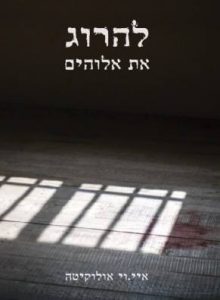
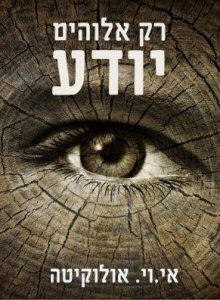
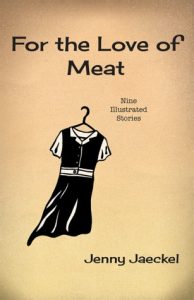
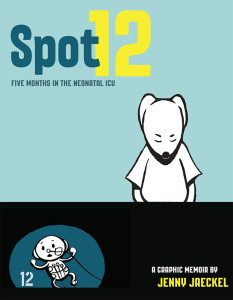
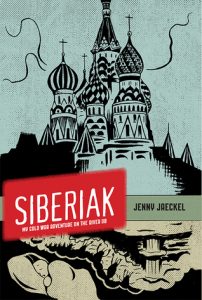
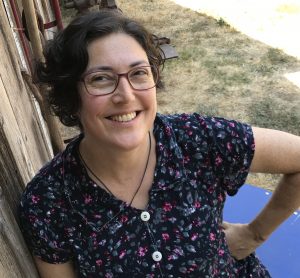 Jenny Jaeckel is the author of House of Rougeaux, her debut novel, which made Bitch Media’s 25 Must Read Books of 2018 list. Her previous titles include For the Love of Meat: Nine Illustrated Stories and Siberiak: My Cold War Adventure on the River Ob. In 2016, Jaeckel published the graphic memoir Spot 12: Five Months in the Neonatal ICU, which was the winner of the 2017 Next Generation Indie Book Awards and a 2016 finalist in the Foreword Indies Book Awards. She has worked as a translator, an editor, a Spanish teacher, a graphic arts teacher, and an illustrator. Jaeckel is currently working on her second novel, yet to be named, a continuation of the Rougeaux family epic.
 Wow, where to start… All the aspects of the process, whether internal or external are quite varied. As a writer, I have to have a whole mental “team” going on: the passionate one, the researcher, the emotional digger/investigator, the critic, the cheerleader, the scheduler, etc. etc. My biggest inspirations are my favorite books, the ones I love with all my heart and soul, and have made me want to be a writer in the first place. I always aspire to those literary heroes. They function like my North Star. I may be down in my clunky little rowboat, with my one broken oar, paddling furiously and getting nowhere, but when I look up, at least I know where I’m trying to go. J.D. Salinger, Toni Morrison, Merce Rodoreda, Eduardo Galeano, and Edith Wharton are some that I return to again and again.
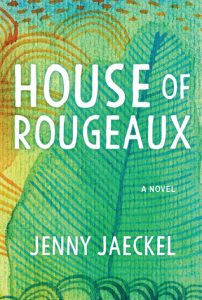 One of the most key parts of the process for me is working with my editor, Neesa Sonoquie. When I first showed her the manuscript for House of Rougeaux, I thought it was in pretty good shape. I’d already gotten some feedback from readers I trusted and done a lot of revising. But I had not worked with Neesa before. She absolutely demolished it. I’d sent off a book and got back confetti. It was humbling, but it turned out to be a transcendent moment. The revision process transformed the book and made me grow tremendously as a writer.
 I don’t exactly have a cheerleading squad, but I have a small group of friends and acquaintances who have, at one time or another, said, or written some very wonderful things about how my work has touched them. When I get this in an email, for example, I print it out and put in on the wall by my bed, where I have a little collection, and when I get discouraged, I read them over and over. I also talk pretty regularly with three writer friends of mine. Though we all deal in different genres, the process and the struggle are the same, and being able to engage in that mutual support is essential. My lovely family is very supportive too. My partner and child give me regular feedback on my blog posts and written interviews (like right this second).
 Art and life have a complete interface for me, like body and mind, or heads and tails sides of a coin. My first three books were all memoirs, the next two pure fiction, so while my relationships to all those topics varied, it was all deeply personal. When writing memoir, it has been much easier for me to see the therapeutic aspects of storytelling. Curiously though, putting key chunks of my life into these packages called books has made me identify with the stories less, as if these events happened to a human, and that human just happened to be me. It’s very liberating.
 I am grateful to creativity for being the force that animates me. I think without it I’d be a lifeless hulk, a Frankenstein’s Monster pre-electrification, misshapen and covered in scars and moldy clothes (but smaller). I was lucky that as a child I was encouraged in art (so many are discouraged or even shamed for their efforts,) and lucky that since then I’ve had countless opportunities to grow creatively. Creativity takes infinite forms, I think it’s our birthright as human beings, and I think the more we can bring it to all aspects of our lives the better off we are. Once I heard the singer Krishna Das say in an interview that his music was how he stayed alive. He didn’t say music was his bliss and all that, he said it was how he literally stayed alive. I really appreciated that. It’s survival. Creativity is not the icing on the cake, it’s the cake itself.
 Connect with Jenny: